
Every moderate oven temperature, and the rest of the old oven words, converted into numbers you can set a dial to.
A moderate oven is 350°F. A slow oven is 300°F. A quick oven is 400°F. Those three numbers unlock most of the old recipes you will ever meet, and almost nobody writes them down.
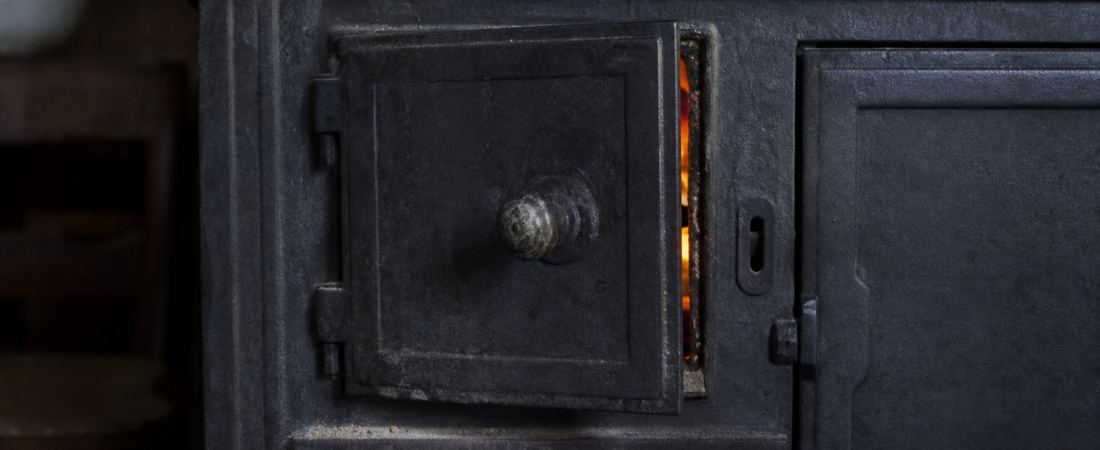
Old cookbooks were not being coy. They were written for cooks standing in front of a wood stove with no dial on it, judging heat by holding a hand in the oven and counting. A number would have been useless. A word everyone understood was better.
We inherited the words and lost the stove. Here is the translation.
The oven words as moderate oven temperature ranges
Sources disagree at the edges, because these were always approximations. The ranges below are the ones that work.
| What it says | °F | °C | Gas | What it was for |
|---|---|---|---|---|
| Slow, or cool | 250 to 325°F | 130 to 160°C | ½ to 3 | Fruit cake, meringue, long slow puddings |
| Moderate | 350 to 375°F | 175 to 190°C | 4 to 5 | Most cakes, loaves, custards |
| Quick, or brisk | 375 to 400°F | 190 to 200°C | 5 to 6 | Biscuits, scones, small cakes |
| Hot | 400 to 450°F | 200 to 230°C | 6 to 8 | Pastry, rolls, anything that wants a fast rise |
| Very hot | 450 to 500°F | 230 to 260°C | 8 to 10 | Bread crusts, searing, the first ten minutes of a pie |
If a recipe says only a moderate oven and gives no time, 350°F and your own judgment is almost always right.
How they actually knew
The flour test is the one that survives in the most cookbooks. A tablespoon of flour on a tin, put into the oven for one minute. Pale gold means moderate. Light brown means quick. Dark brown in under a minute means hot, and you should wait.
The hand test is older and less pleasant. Hold your hand in the open oven and count. Twenty seconds is slow. Ten to twelve is moderate. Under five and it is hot. Cooks did this daily and did not think it remarkable.
Neither test is nonsense. Both measure the same thing a thermometer does, which is how fast heat moves into something. They are simply slower to read.
Three more phrases worth knowing
“Bake until done.” Nobody owned a timer. Use the tests instead: a skewer comes out clean, the cake shrinks slightly from the sides of the tin, and the top springs back when pressed. For bread, it sounds hollow underneath.
“A straw comes out clean.” This is the original of the skewer test, and they meant it literally. They pulled a straw from a broom. A thin metal skewer is the same tool and considerably cleaner.
“Butter the size of an egg.” About ¼ cup, or 2 ounces. “The size of a walnut” is about a tablespoon. These were not sloppy. A hen’s egg and a walnut are more consistent in size than most people assume, and both were always to hand.
Why any of this matters
Because an unreadable recipe is a lost one. Handwritten cards get filed away unmade, inherited cookbooks stay on the shelf, and a great deal of genuinely good cooking quietly disappears for want of a number.
The old way was a system. It just assumed you were standing in it.
The short version
A moderate oven is 350°F, a slow oven is 300°F, and a quick oven is 400°F. Old recipes were written for cooks with no dial on the stove, so they described heat in words everyone understood rather than numbers nobody could read.
Struggling to read an old recipe?
How to Read an Old Recipe translates the vague bits: old measures converted, oven descriptions in real degrees, and the instructions that leave something out. Free, two printable pages.
More of this sort of thing is in the cookbooks, where every recipe carries the history that explains why it is made that way.